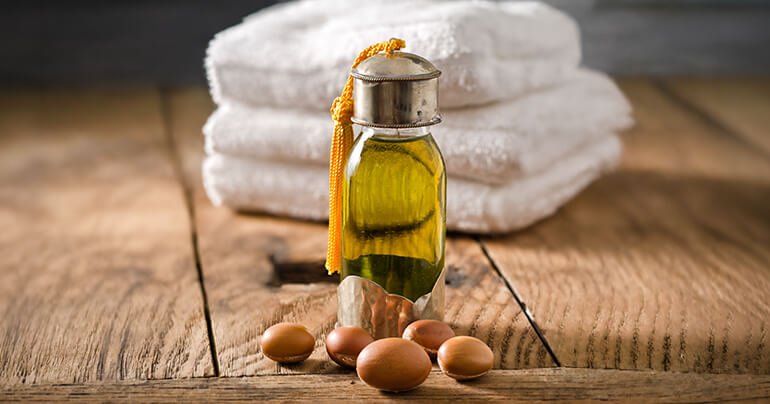



Which sauna oil can you use for an infusion?
When you pour water over hot sauna stones, the scent you add to that water shapes the entire experience. At Beauty & Care, you can choose from several types of sauna fragrance, each with its own character and purpose:
- Natural essential oils, single-source botanical scents
- Essential oil blends, combinations built for a fuller aroma
- Perfume oils, composed fragrances with a consistent, reliable scent
- Sauna aromas, ready-to-dose infusion liquids
- Sauna aroma basic, a more economical everyday option
Why offer perfume oils alongside pure essential oils?

Perfume oils are often built from essential oils, blended by a perfumer to achieve a specific, repeatable scent. Because the exact composition of a perfume is usually proprietary, we don’t attribute therapeutic effects to it. Its value is in the atmosphere and the feeling it creates rather than any medicinal claim. In some cases a small amount of synthetic fragrance is added to round out a scent, always within the strict limits of EU cosmetic regulations, so nothing unsafe goes into the bottle.
There’s an underrated advantage here. Because a perfumer designs a fragrance, they can account for balance and skin-friendliness in a way that a single raw botanical simply can’t. Our perfume oil range grew directly out of demand from the sauna industry, where consistency and dependable scent throw matter as much as origin.

How sauna aroma dissolves in water
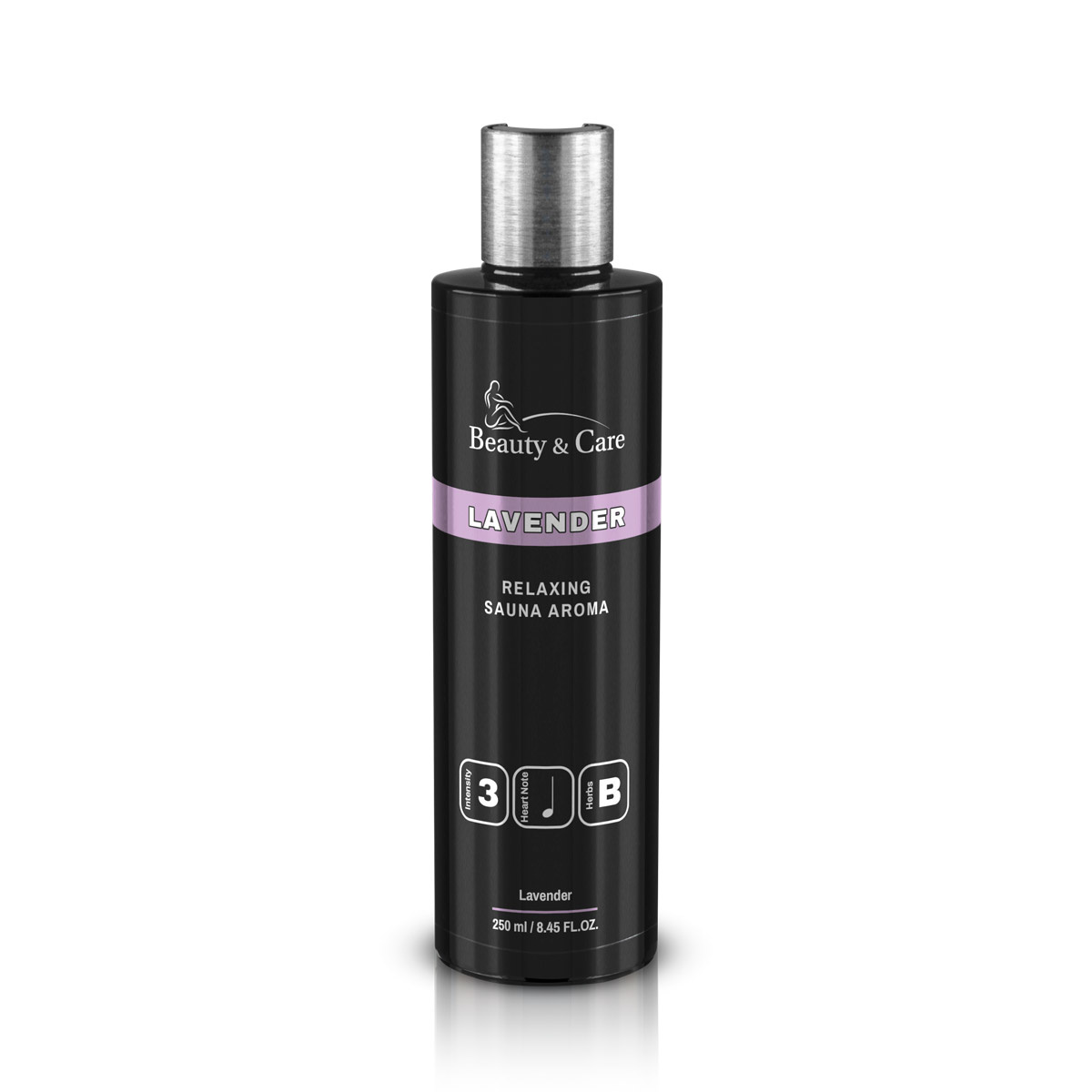
It’s worth understanding what actually happens when you add fragrance to infusion water, because it clears up a common misunderstanding. Essential and perfume oils do not truly dissolve in water. In a sauna aroma, it’s the alcohol that mixes with the water; the oil itself only partly disperses, and the rest rises back to the surface. Those small droplets you see floating on the infusion water are exactly that, the fragrance oil separating out again. The alcohol does one useful job here: it helps the scent evaporate and carry through the sauna during your session.
Clearing up two common myths
First, on fire safety. Both pure essential sauna oil and alcohol-based sauna aroma are flammable, so neither is meaningfully “safer” than the other. Treat both with the same care around a hot stove. Second, “essential sauna oil” is not a stronger or different product than a regular essential oil; it’s simply a different name for the same thing. You can check the scent strength of any of our fragrances on the number printed at the base of the bottle, or by using the scent-strength filter in the sauna scents section of the webshop.
Why choose sauna aroma?
Sauna aroma exists to make dosing easy. Pure fragrances are potent and easy to overdo. Too much mint oil can leave you with watering eyes, and too much strawberry perfume can irritate the skin. A pre-diluted sauna aroma takes that guesswork away, and because pure scents are so often overdosed, it usually works out more economical too. Some fragrances (fireplace perfume is a good example) are so intense that most people prefer the aroma version by default.
Our sauna aroma liquids blend just as beautifully as our pure essential oils and perfume oils, so you can still create your own combinations. They contain no added colourants, just 96% ethanol, pure sauna oil or perfume, and, where appropriate, a little demineralised water. Nothing unnecessary, only what belongs in a quality infusion.
Why choose pure essential oil or perfume oil?

If you dose them correctly, pure fragrances can be the more economical choice, simply because you need less. The key is paying attention to scent strength. As a rule of thumb, you’ll use around 24 drops of pure essential oil or perfume per litre of water, but that figure shifts with strength, which runs from 2 (mildest) up to 6 (most intense). A strength-6 scent needs far fewer drops than a strength-2 one, and the recommended amount is always printed on the bottle.
To help you combine scents thoughtfully, each fragrance carries a symbol showing its scent group (citrus, wood, and so on) and its note. The top note is what you smell first, bright but fleeting; the heart note follows and lingers longer; and the base note sits underneath and lasts the longest. Balancing all three is the secret to an infusion that evolves rather than fading flat.
What to expect from the effect of sauna oil
In a sauna, the value of an essential oil is mostly in the scent and the sense of wellbeing it brings during your session, rather than any deep therapeutic effect. That’s because meaningful absorption of an essential oil takes anywhere from twenty minutes to several hours of sustained skin contact, far longer than a typical infusion allows.
If you’re after the therapeutic side of essential oils, a bath or a massage is the better route. There, the oil is diluted in a base massage oil or bath oil, stays in direct contact with the skin for twenty to sixty minutes, and is inhaled at the same time. It’s most effective when repeated regularly over time. So think of pure sauna fragrances as being there for the atmosphere and the scent experience first, with any wellbeing benefit as a welcome bonus.
Explore these scents
Ready to try an infusion of your own? A few reader favourites to start with:
- Lavender sauna aroma, calming and classic
- Eucalyptus sauna aroma, fresh and clearing
- Mint sauna aroma, cooling and invigorating